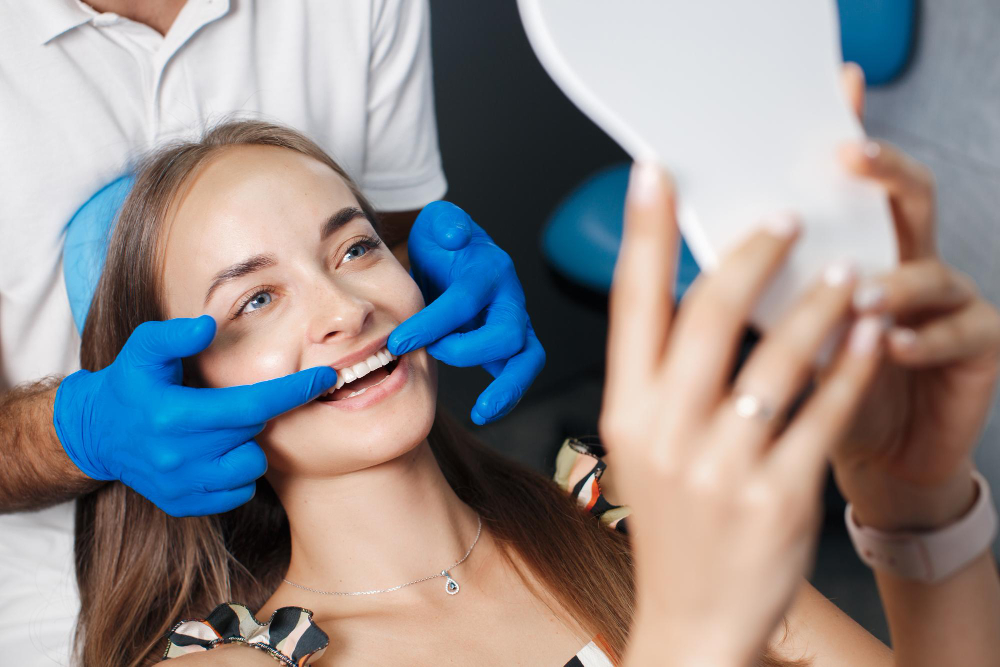
Dental Bonding in Marlborough, MA
Dental bonding is a simple, versatile procedure in which we apply a tooth-colored composite material to a tooth and harden it with a special light to bond it securely in place. At Marlborough Dental Studio, we use bonding to enhance your smile while preserving as much of your natural tooth structure as possible. It is a conservative, cost-effective way to repair and refine your teeth in a single visit. Call (508) 481-3663 to learn more.
Request an AppointmentBecause bonding is minimally invasive and typically requires no anesthesia, many patients find it one of the easiest cosmetic treatments available. If you are exploring other ways to enhance your smile, you may also be interested in porcelain veneers or professional teeth whitening. For larger structural concerns, our team may recommend porcelain crowns instead. To find out whether dental bonding is right for you, contact us at (508) 481-3663.
Dental Bonding FAQs
What is dental bonding used for?
Dental bonding is used to repair cracked or decaying teeth, treat cavities, reshape or resize teeth for a more uniform smile, and protect tooth surfaces exposed by receding gums.
Is dental bonding painful?
Dental bonding is typically painless and often requires no anesthesia, making it one of the most comfortable and convenient cosmetic dental treatments.
How long does dental bonding last?
With proper care and good oral hygiene, dental bonding can last several years before it may need to be touched up or replaced, depending on your habits and the location of the bonding.
How is bonding different from veneers?
Bonding applies a composite material directly to the tooth in one visit, while veneers are custom-made porcelain shells. Bonding is more conservative and affordable, while veneers offer longer-lasting results for certain cases.
Can bonding fix a chipped tooth?
Yes. Bonding is one of the most common and effective ways to repair a chipped or cracked tooth and restore its natural appearance.
How do I care for bonded teeth?
Care for bonded teeth just like your natural teeth by brushing twice daily, flossing, and attending regular cleanings and exams. Avoiding habits like biting hard objects helps the bonding last longer.